

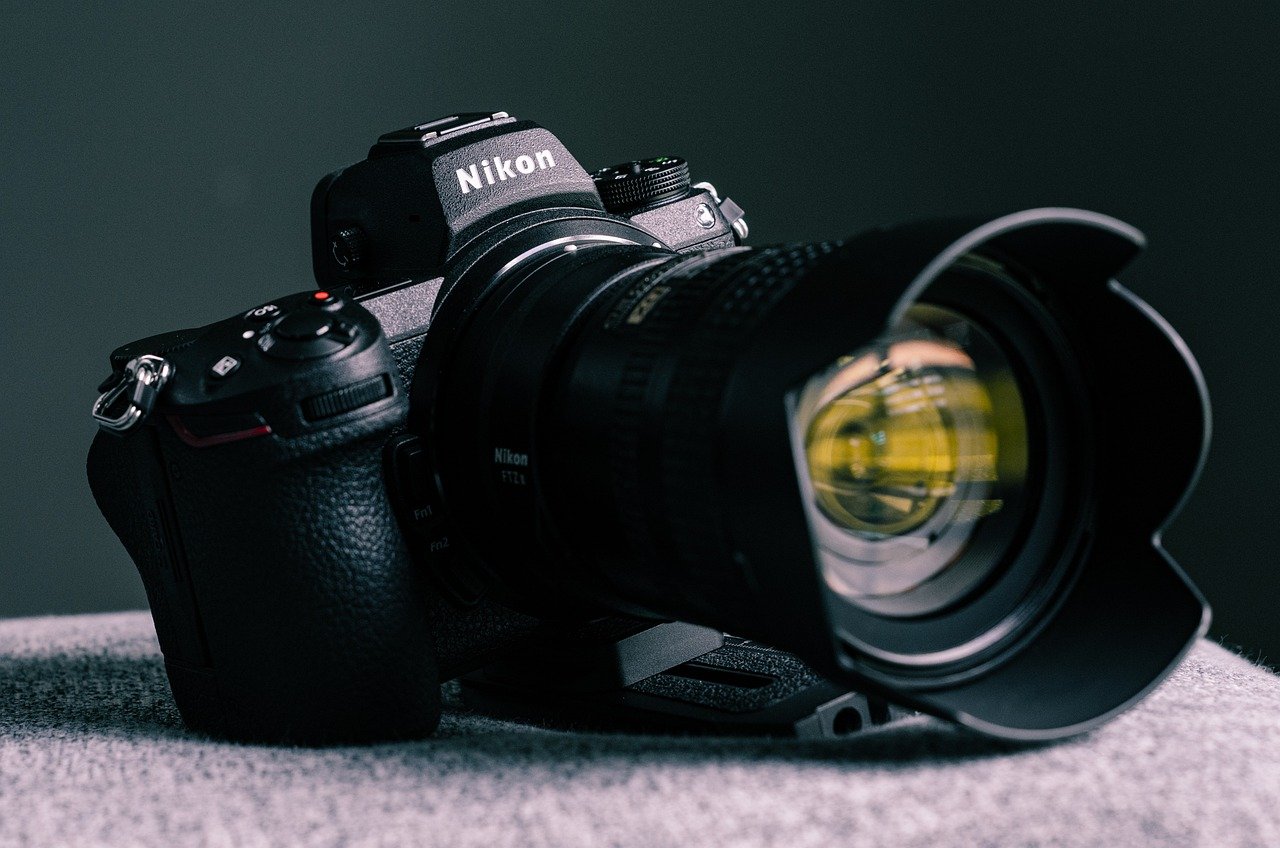
Best Lens For Nikon D5600
Disclosure: This post contains affiliate links. If you purchase a product through one of these links, we may earn a small commission at no additional cost to you. We believe these products are the appropriate and best in the market for this specific post
The Nikon D5600 is one of the most versatile and feature-packed DSLR cameras in its category. Beloved by beginners and enthusiasts alike, it boasts impressive image quality, intuitive controls, and robust performance, making it a reliable choice for various photography styles.
However, even the best camera bodies need the right lens to shine. Choosing the perfect lens enhances your photography and allows you to unlock the full potential of your Nikon D5600. Whether you’re shooting sweeping landscapes, detailed portraits, or distant wildlife, the lens you use plays a crucial role in defining the final image.
This blog is designed to help you select the best lens for your Nikon D5600. We’ll explore top recommendations across various categories, helping you match the lens to your unique needs and creative aspirations.
| Lens Model | Focal Length Range | Aperture Size | Weight & Portability |
|---|---|---|---|
| Nikon AF-S DX NIKKOR 35mm f/1.8G | 35mm (Prime) | f/1.8 | Lightweight, Compact |
| Sigma 150-600mm f/5-6.3 Contemporary DG OS HSM | 150-600mm | f/5-6.3 | Heavy, Designed for stability |
| Nikon AF-P DX NIKKOR 10-20mm f/4.5-5.6G VR | 10-20mm | f/4.5-5.6 | Lightweight, Portable |
| Meike 85mm f/1.8 | 85mm (Prime) | f/1.8 | Moderate Weight, Portable |
| Nikon AF-S DX NIKKOR 18-140mm f/3.5-5.6G ED VR | 18-140mm | f/3.5-5.6 | Moderate Weight, Versatile |
As Your Brothers In Tech, we’ve only chosen these select group of lenses that we know will adapt to your needs, deliver the best results and quality. Use this opportunity to find out the right fit for you. You might gain more ideas for how you want to use your desired lens in ways you may have never imagined.
Understanding Lens Types
Choosing the right lens for your Nikon D5600 involves understanding the key types of lenses, their unique characteristics, and how they align with your photography goals. Let’s dive into the essentials to help you make the right choice.
Prime vs. Zoom Lenses
- Prime Lenses
- Definition: Prime lenses have a fixed focal length, such as 35mm or 85mm, meaning they cannot zoom in or out.
- Advantages:
- Wide Aperture: Prime lenses typically offer larger maximum apertures (e.g., f/1.8 or f/1.4), which allow more light into the lens. This is ideal for low-light photography and achieving beautiful background blur (bokeh).
- Sharpness: With fewer moving parts, prime lenses often deliver superior optical performance and image sharpness.
- Lightweight: They are generally smaller and more portable.
- Best For: Portraits, street photography, and artistic compositions.
- Zoom Lenses
- Definition: Zoom lenses offer a range of focal lengths, such as 18-140mm or 150-600mm, allowing you to adjust the field of view without changing the lens.
- Advantages:
- Versatility: Perfect for scenarios where you need to shoot subjects at varying distances without switching lenses.
- Cost-Effective: Covers multiple focal lengths, reducing the need for various lenses.
- Best For: Travel, wildlife, sports, and general-purpose photography.
Factors to Consider When Choosing a Lens
- Aperture
- Definition: The aperture controls the light entering the lens and is measured in f-numbers (e.g., f/1.8, f/4).
- Wide Apertures: Lower f-numbers (e.g., f/1.8) allow more light, making them excellent for low-light photography and creating a shallow depth of field.
- Narrow Apertures: Higher f-numbers (e.g., f/5.6) are suitable for well-lit environments or when greater depth of field is required.
- Focal Length
- Definition: Determines the field of view and how much of the scene the lens captures.
- Wide-Angle Lenses: Typically 10-20mm, ideal for landscapes and architecture.
- Standard Lenses: Around 35mm, offering a natural perspective similar to the human eye.
- Telephoto Lenses: 85mm and above, used for portraits, wildlife, and sports.
- Purpose and Genre
- Think about what you’ll primarily shoot:
- Portraits: Look for lenses with wide apertures like f/1.8 for stunning subject isolation.
- Landscapes: Go for wide-angle lenses with sharp edge-to-edge performance.
- Wildlife or Sports: Choose telephoto lenses for capturing distant subjects.
- Think about what you’ll primarily shoot:
Compatibility of Nikon D5600 with DX and FX Lenses
- DX Lenses
- Specifically designed for APS-C cameras like the Nikon D5600.
- Lightweight and optimized for the smaller sensor, offering accurate focal lengths without adjustments.
- Example: A 35mm DX lens provides a true 35mm field of view.
- FX Lenses
- Built for full-frame cameras but fully compatible with the D5600.
- The D5600 applies a 1.5x crop factor, so an FX lens will provide a narrower field of view. For example, a 50mm FX lens will behave like a 75mm lens on the D5600.
- FX lenses are ideal if you plan to upgrade to a full-frame Nikon camera in the future.
- Autofocus Compatibility
- The D5600 requires lenses with built-in autofocus motors (AF-S or AF-P) for seamless autofocus functionality.
- Older AF lenses without built-in motors will only work with manual focus.
By understanding these key aspects of lenses, you’ll be well-equipped to choose the perfect match for your Nikon D5600, whether you prioritize versatility, image quality, or portability.
Best Lenses for Nikon D5600
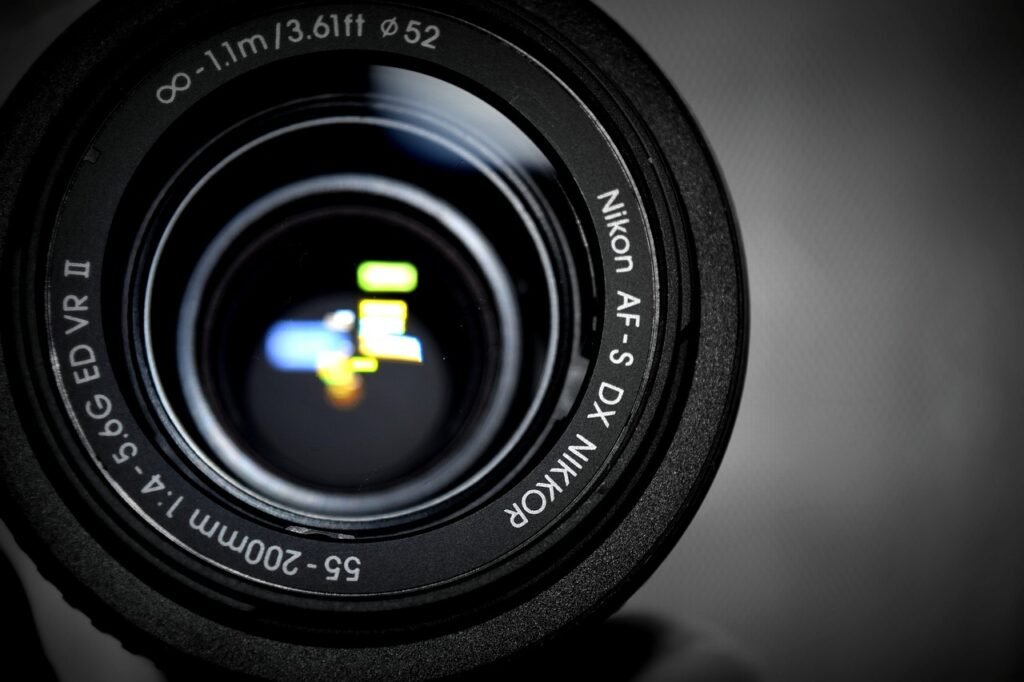
Choosing the right lens is crucial to getting the most out of your Nikon D5600. Here are five top picks, each tailored to different photography styles and skill levels.
2.1 Nikon AF-S DX NIKKOR 35mm f/1.8G
- Ideal for: Everyday photography and portraits.
- Key Features:
- A prime lens with a natural field of view mimics how the human eye perceives the scene.
- Wide f/1.8 aperture for excellent low-light performance and creating beautiful bokeh (blurred backgrounds).
- Compact and lightweight design, making it perfect for travel and street photography.
- Best For: Beginners and enthusiasts looking for a versatile, easy-to-use prime lens.
2.2 Sigma 150-600mm f/5-6.3 Contemporary DG OS HSM
- Ideal for: Wildlife and sports photography.
- Key Features:
- Impressive telephoto zoom range, allowing you to capture distant subjects with incredible detail.
- Optical stabilization (OS) minimizes camera shake for sharper images, even at maximum zoom.
- Designed with a lightweight, portable build compared to other telephoto lenses in its class.
- Best For: Professional and hobbyist photographers focused on wildlife, birding, and action shots.
2.3 Nikon AF-P DX NIKKOR 10-20mm f/4.5-5.6G VR
- Ideal for: Landscape and architecture photography.
- Key Features:
- The ultra-wide-angle lens provides dramatic perspectives and exaggerated depth, perfect for capturing expansive scenes.
- Vibration Reduction (VR) technology ensures sharp handheld shots, even in low-light conditions.
- Compact and lightweight design, making it a great addition to any travel kit.
- Best For: Travel photographers and landscape enthusiasts looking to shoot expansive, immersive views.
2.4 Meike 85mm f/1.8
- Ideal for: Portrait photography.
- Key Features:
- A large f/1.8 aperture enables a shallow depth of field, isolating your subject with a beautifully blurred background.
- A cost-effective alternative to other 85mm lenses, offering great value without sacrificing performance.
- Its sturdy build and reliable autofocus make it a solid choice for portrait sessions.
- Best For: Portrait specialists and budget-conscious photographers who want professional-quality results.
2.5 Nikon AF-S DX NIKKOR 18-140mm f/3.5-5.6G ED VR
- Ideal for: Travel and all-purpose photography.
- Key Features:
- The versatile zoom range, from wide-angle to telephoto, covers various shooting scenarios without changing lenses.
- Vibration Reduction (VR) ensures sharp, clear images across all focal lengths.
- Durable and compact, it is an excellent all-in-one lens for travel and day-to-day use.
- Best For: Travelers and casual photographers who want a single lens for various situations.
Each lens offers unique strengths, so you can select one (or more) that aligns with your photography needs. Whether you’re capturing breath-taking landscapes, stunning portraits, or fast-moving wildlife, there’s a perfect lens for your Nikon D5600.
Choosing the Right Lens for Your Needs
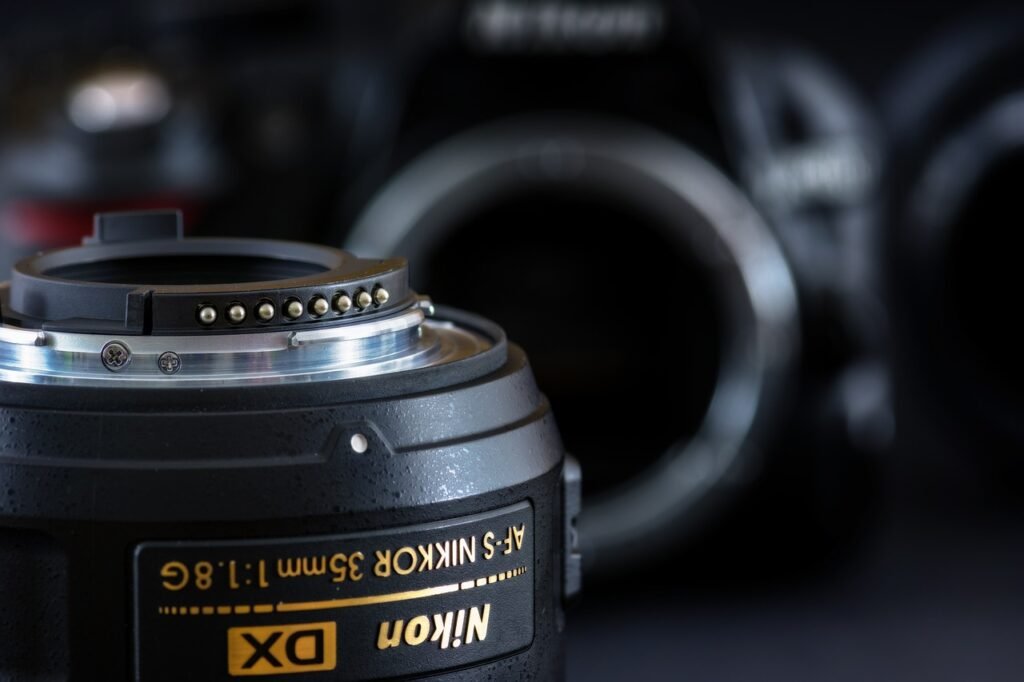
Selecting the right lens for your Nikon D5600 depends on your preferred photography style and shooting scenarios. Below are recommendations based on everyday use cases to help you make the best choice.
“I love shooting portraits” → Meike 85mm f/1.8
- Why It’s Perfect:
- The 85mm focal length is ideal for flattering portrait compositions, isolating the subject while maintaining a natural perspective.
- The wide f/1.8 aperture creates a shallow depth of field, producing beautifully blurred backgrounds.
- Affordable yet capable, this lens is excellent for beginners and budget-conscious photographers aiming for professional-looking portraits.
“I want to capture wildlife” → Sigma 150-600mm
- Why It’s Perfect:
- With its incredible telephoto reach (up to 600mm), this lens is designed to capture distant wildlife with stunning clarity.
- Optical stabilization ensures sharp shots even when handheld or at high zoom levels.
- A durable and reliable choice for hobbyists and professionals focusing on nature and sports photography.
“I travel often and need one lens for everything” → Nikon 18-140mm f/3.5-5.6G
- Why It’s Perfect:
- The versatile zoom range covers wide-angle to telephoto, making it suitable for landscapes, portraits, and distant subjects.
- Lightweight and portable, this lens reduces the need for multiple lenses, making it ideal for travel.
- Vibration reduction ensures sharp images in various lighting conditions, adding to its usability.
“I shoot landscapes and architecture” → Nikon 10-20mm f/4.5-5.6G VR
- Why It’s Perfect:
- The ultra-wide-angle design allows you to capture sweeping landscapes and dramatic architectural perspectives.
- Compact and lightweight, it’s easy to carry during outdoor adventures or city explorations.
- Vibration Reduction (VR) ensures sharp images, even in low light or handheld situations.
“I need a versatile everyday lens” → Nikon 35mm f/1.8G
- Why It’s Perfect:
- The 35mm focal length provides a natural field of view, perfect for quickly capturing everyday moments.
- The wide f/1.8 aperture is excellent for low-light scenarios and creating bokeh effects.
- Lightweight and compact, this lens is a fantastic all-rounder for beginners and enthusiasts looking for an easy-to-use, reliable lens.
Each of these lenses is tailored to specific photography styles and scenarios. By identifying your primary needs, you can select the lens that will elevate your Nikon D5600 experience and help you achieve your creative vision.
Conclusion
Choosing the right lens for your Nikon D5600 is crucial in unlocking the camera’s full potential. The lens you pair with your camera significantly impacts your ability to capture the scenes and subjects you love, whether it’s a portrait with stunning bokeh, a dramatic landscape, or wildlife in motion.
Investing in a lens that matches your photography style and needs can elevate your skills and inspire creativity. From the versatile Nikon 18-140mm for travellers to the Meike 85mm for portrait enthusiasts, there’s a perfect lens for every photographer.
We hope this guide has helped you make an informed choice for your next lens. We’d love to hear from you if you’ve tried any of these lenses or have questions about which lens is right for you! Please share your experiences or drop your questions in the comments below, and let’s continue the conversation. Happy shooting!

